
Reflections by Gary Prattley | Chairman, Solve Property Group | Former Director General, WA Ministry for Planning and Chairman, Western Australian Planning Commission
Introduction
After 59 years working in strategic planning across Australia and internationally, one of the most important lessons I have learned is that regional development cannot be approached simply as an extension of metropolitan planning. Our regions have different economic drivers, different communities and very different opportunities for growth. They require long-term strategic thinking that recognises their individual strengths while connecting housing, infrastructure, employment and investment.
As NSW prepares its next generation of regional plans, I believe there is an important opportunity to reflect on what successful regional planning can achieve.
My experience in Western Australia offers some valuable lessons.
Regional planning must be about economic opportunity, not simply accommodating growth
During my time as Chairman of the Western Australian Planning Commission, a major priority was strengthening the strategic planning framework for regional WA. This involved establishing Regional Planning Committees that brought together senior government representatives, local government leaders and major industry participants.
The objective was not simply to identify where future development could occur. It was to understand the economic future of each region and establish the planning and infrastructure priorities necessary to support it.
This distinction is important. A regional plan should help answer fundamental questions.
What industries will drive the region's future economy? Where will investment and employment growth occur? What infrastructure is needed to unlock these opportunities? How can communities attract and retain the workforce needed to support growth?And importantly, how can strategic planning provide greater confidence for both public and private investment?
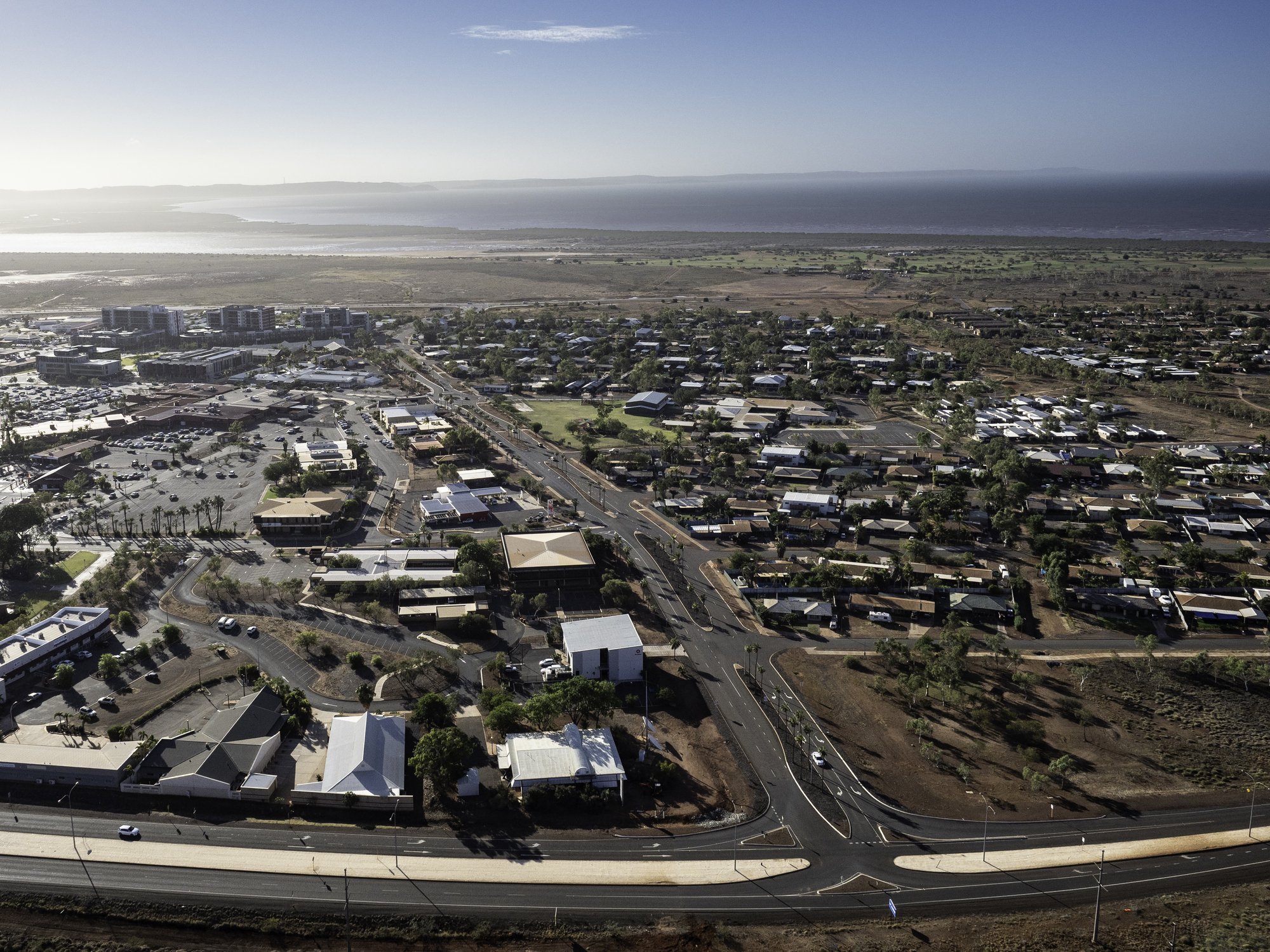
Karatha, Western Australia
Lessons from the Pilbara
Some of the most extraordinary planning challenges I encountered occurred during Western Australia's resources boom.
In the Pilbara, economic growth placed enormous pressure on housing, infrastructure and local services. Rents reaching $3,500 per week, labour shortages so severe that businesses flew staff from Perth, and even sandwiches being flown into regional centres for meetings.
These were not conventional land use planning challenges. They required an integrated response involving economic development, housing, infrastructure, industry and government.
Initiatives such as Pilbara Cities and Super Towns demonstrated the value of bringing these elements together around a shared regional vision.
Not every initiative achieved all its intended outcomes. However, the experience reinforced several principles that remain highly relevant today.
Five lessons for the future of regional NSW
1. Start with the economic future of each region.
Regional planning should be informed by a clear understanding of economic opportunities, emerging industries, workforce requirements and investment potential.
Housing and infrastructure planning must respond to these opportunities, not operate independently of them.
2. Recognise that every region is different.
The Hunter, Northern Rivers, Central West, Riverina and South East each have distinct economic strengths, environmental conditions and growth pressures.
A consistent statewide planning framework is important, but it must provide sufficient flexibility for regions to develop strategies that reflect their circumstances.
3. Bring decision-makers and industry together early.
One of the strengths of WA's regional planning approach was the direct involvement of senior government representatives, local leaders and major employers.
This helped connect strategic objectives with the practical realities of infrastructure provision, investment and regional development.
Successful regional planning depends on genuine partnerships, informed by local knowledge and supported by strong leadership.
4. Connect long-term planning with infrastructure investment.
Regional development often depends on a relatively small number of major infrastructure investments.
Transport connections, water, energy, digital infrastructure and community facilities can fundamentally change a region's economic prospects.
Regional plans should identify these opportunities and provide a clear framework for coordinating future investment.
5. Create confidence for private investment.
Government has an essential role in setting strategic direction and providing enabling infrastructure.
But the future of regional NSW will also be shaped by the investment decisions of businesses, landowners, developers and institutions.
Good strategic planning should provide clarity about future growth opportunities, infrastructure priorities and the conditions needed to support investment.
This is particularly important in regional markets, where the timing and viability of individual projects can have a substantial influence on local economic development.

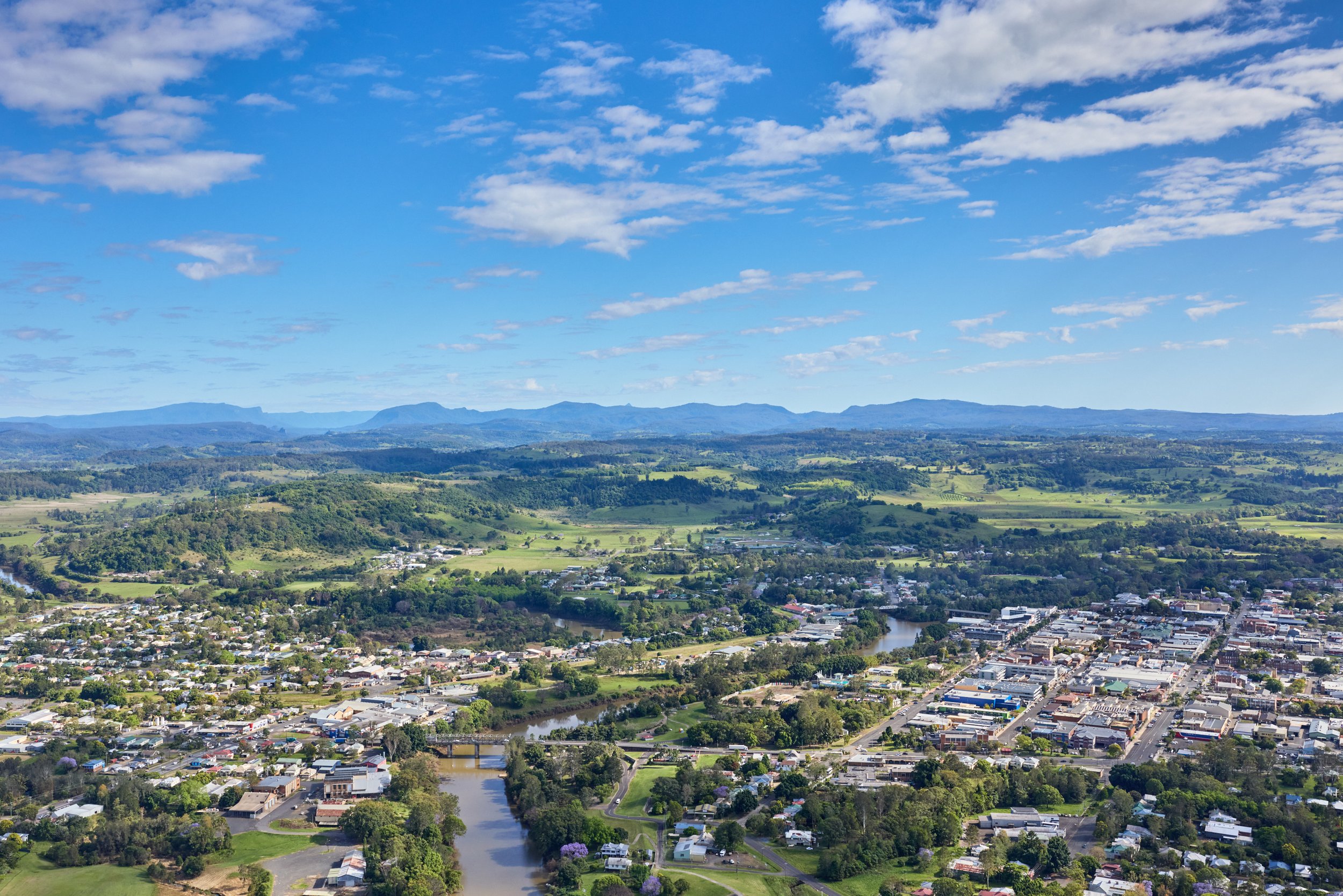
Skennars Head, Northern NSW
An important opportunity for NSW
The NSW Government's new State Land Use Plan provides a framework for more coordinated strategic planning across the State.
The next generation of regional plans presents an opportunity to build on this direction and strengthen the connection between regional economic development, infrastructure planning and land use decisions.
I believe the greatest opportunity lies in ensuring these plans are not simply spatial frameworks for managing future growth.
Regional Plans should also be positive economic strategies that help regions identify, attract and realise investment opportunities.
That requires collaboration between government, councils, industry and communities, supported by a clear understanding of each region's competitive advantages.
After nearly six decades in planning, I remain convinced that the most successful regional strategies are those that create a shared vision and bring together the leadership, investment and partnerships needed to achieve it.
Regional NSW has enormous potential. The next generation of regional plans provides an important opportunity to help realise it.
My question to those involved in regional planning and development is this: