
Employment Lands or Industrial Lands? Reframing the Planning Question
Part one of a two-part series exploring the evolving role of employment and industrial lands — and how these areas are being reshaped by a changing economy.
Article by Gary White, Chief Planner
Introduction
There is an ongoing discussion about the distinction between industrial and employment lands. At one level, this is a question of terminology. At a deeper level, it goes to the foundations of how planning systems organise cities and manage economic activity. This debate provides an opportunity to step back and reconsider those foundations — particularly the long-standing reliance on separating land uses as a core planning principle.

The Spanish Quarter in Naples old town, an example of a vibrant, mixed-use urban area, typical of historic European towns.
The Origins of Zoning
Zoning emerged as a response to a specific set of conditions.
Before the Industrial Revolution, economic activity was typically embedded within residential environments. Homes were places of production and the boundaries between living and working were fluid. This mixing of uses was common and widely accepted, contributing to the vibrancy of early urban areas — a quality still evident in many historic European towns, where integrated, mixed-use environments continue to support active and resilient local economies.
The Industrial Revolution fundamentally changed this pattern. Large-scale factories introduced new impacts — noise, pollution, congestion and poor living conditions — which prompted governments to formalise systems of land-use separation. Zoning became a mechanism to protect communities by segregating incompatible uses. This approach was logical and necessary at the time. However, it was designed for an economy dominated by heavy industry.
The Central Role of Impacts
At its core, zoning has always been about managing impacts, even if it has often been expressed through categories of use.
The key issue is not whether an activity is “industrial” or “non-industrial”, but whether it generates impacts that are incompatible with surrounding uses. These impacts include noise, odour, traffic, light and environmental effects.
Historically, many industrial activities generated significant impacts, justifying their separation. Conversely, activities with minimal impacts were able to coexist more easily within mixed environments. This distinction remains valid. What has changed is the nature and intensity of those impacts.
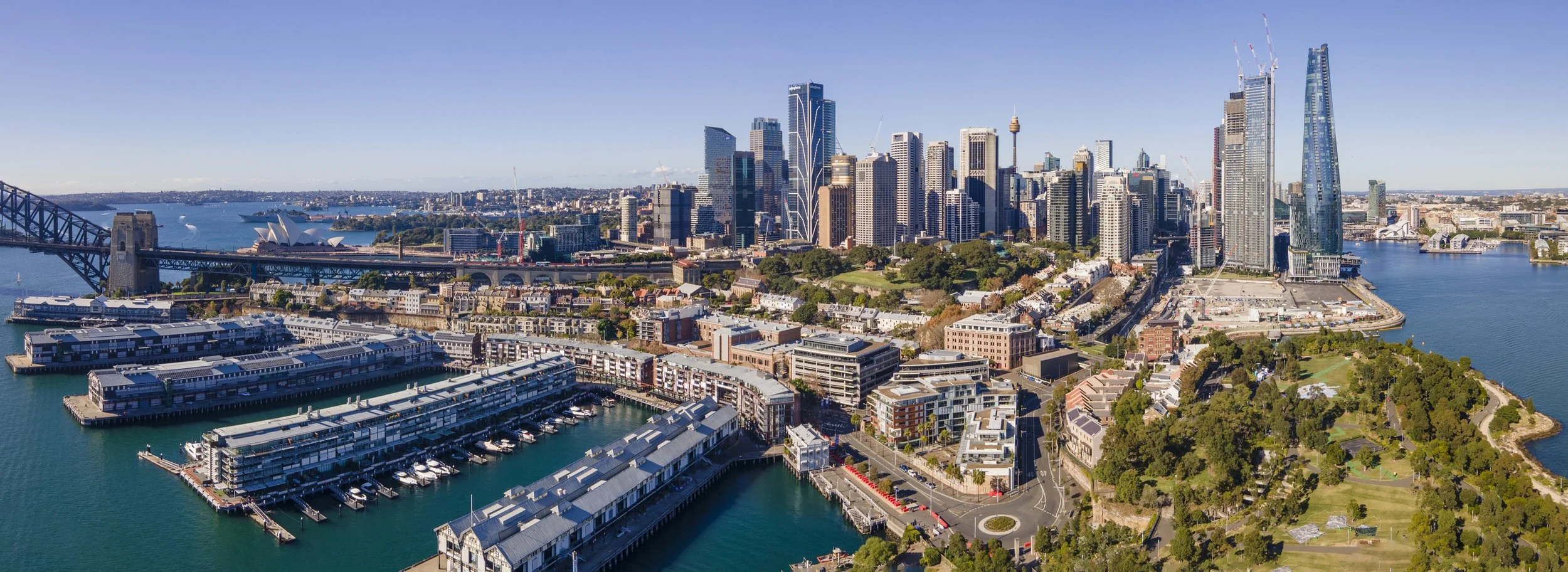
The contrast between Sydney’s industrial past and its contemporary skyline illustrates how former industrial areas are evolving into mixed-use precincts, reflecting broader shifts in how cities organise economic activity.
A Changing Reality on the Ground
In practice, the distinction between industrial and non-industrial uses has already become blurred.
Across many Australian industrial zones, it is common to find gyms, places of worship, creative businesses, retail showrooms and other service-based activities. Many of these uses do not strictly align with the intended purpose of industrial zoning, yet they are often tolerated because they do not create significant adverse impacts.
In effect, many industrial areas are already functioning as mixed employment precincts, regardless of how they are formally defined. This highlights a growing disconnect between planning frameworks and actual land use patterns.
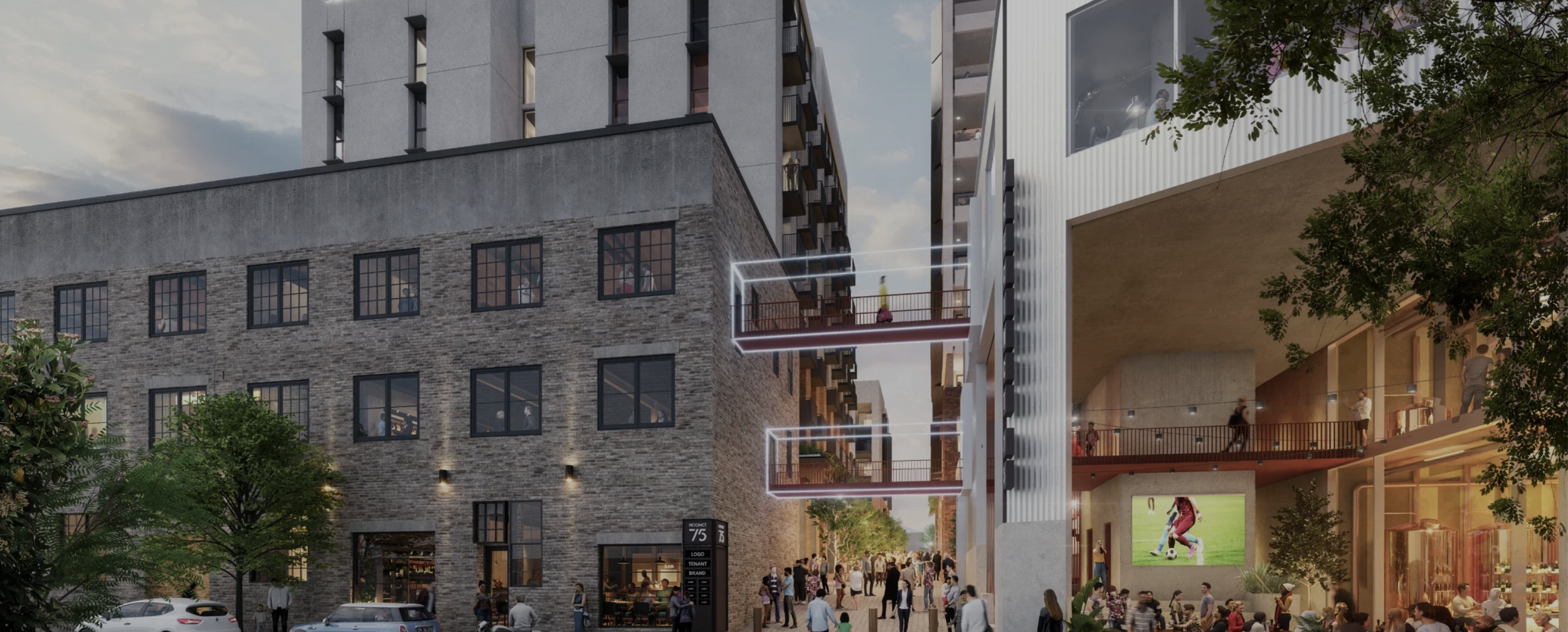
Source: Precinct 75, a design-led mixed-use precinct in St Peters, bringing together retail, food and beverage, culture and build-to-rent living.
Rethinking the Role of Separation
This raises a fundamental question: is strict separation of uses still the most appropriate organising principle?
There are clear cases where separation remains necessary. High-impact activities — such as major freight and logistics operations, heavy manufacturing or 24-hour industrial uses — still require dedicated locations to manage their effects.
However, many contemporary employment activities generate fewer impacts, operate at smaller scales and can coexist with a broader range of uses. Advances in technology have significantly reduced, or in some cases eliminated impacts that once justified strict separation of uses.
As a result, the original rationale for strict, category-based separation is less universally applicable. In this sense, the growing interest in mixed-use environments is not a departure from historical norms, but a return to earlier patterns — adapted to contemporary conditions.
Towards a More Flexible Framework
Rather than focusing on labels, there is a case for shifting toward a framework based on compatibility and performance. This involves assessing uses based on their actual impacts, allowing a broader mix of activities where impacts are low or manageable and retaining protection for genuinely high-impact uses. Such an approach better reflects how cities function today, while still addressing legitimate concerns.
“The question is no longer whether land is ‘industrial’ or ‘employment’, but what role it should play in a changing urban and economic system.”
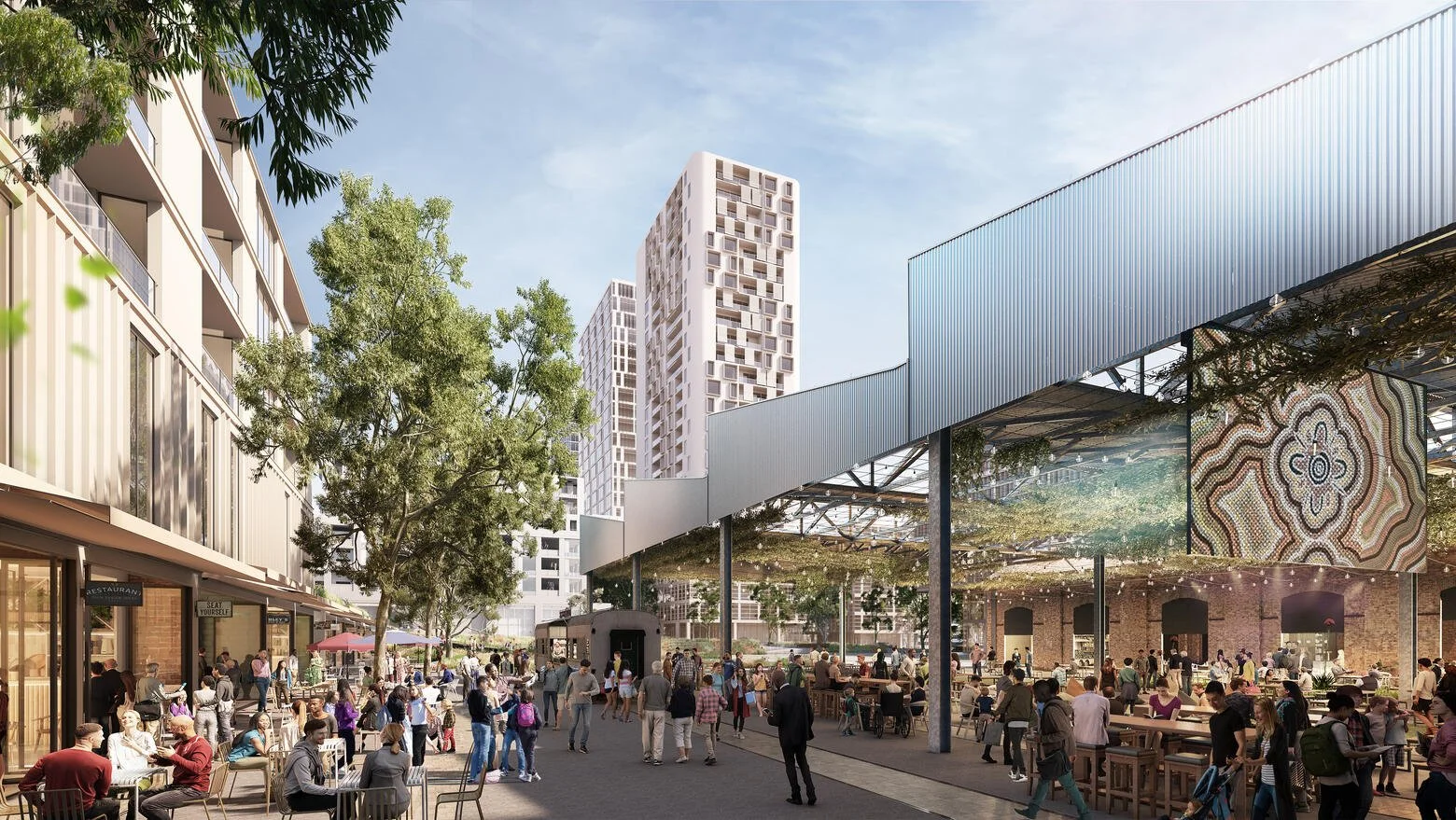
The Redfern North Eveleigh precinct reflects a shift toward integrated, mixed-use environments where employment, residential and cultural uses are increasingly co-located.
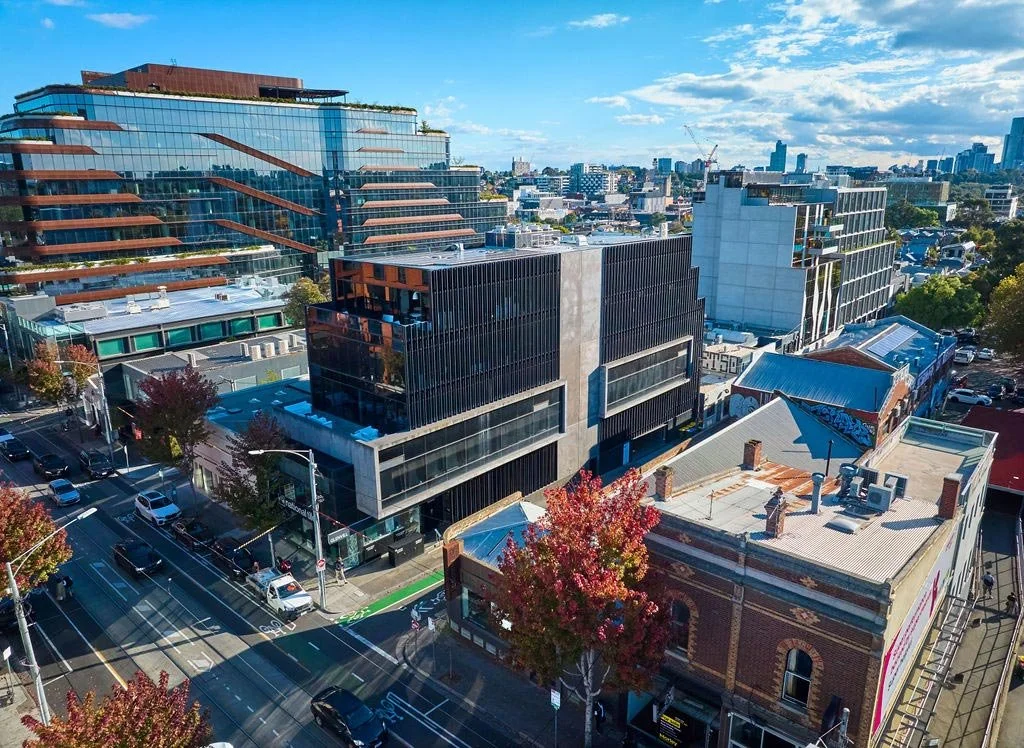
Cremorne Melbourne, an organically evolved employment cluster, where former industrial areas have transitioned into a dense mix of technology, creative and service-based uses.
The Emergence of Employment Lands
In this context, the concept of “employment lands” provides a more flexible and contemporary framing. It recognises that these areas support a wide range of economic activities and are not limited to traditional industrial functions. However, simply changing terminology is not enough. Without a shift in underlying planning logic, new labels risk being applied to old frameworks. The real task is to redefine how these areas are understood and managed.
Balancing Flexibility and Protection
A key challenge is balancing increased flexibility with the need to protect critical economic functions. Certain uses —particularly freight, logistics and large-scale operations — require specific locations and protection from encroachment. These functions are essential to the operation of cities and regions and their loss can have long-term consequences. The task is not to remove industrial land protections entirely, but to apply them more selectively and strategically.
Conclusion
The distinction between industrial and employment lands is ultimately less important than the underlying question it raises. Planning systems need to move beyond rigid, category-based definitions and refocus on managing impacts, ensuring compatibility and responding to the evolving nature of economic activity. Ultimately, the question is not what label applies to a piece of land, but what role it should play.
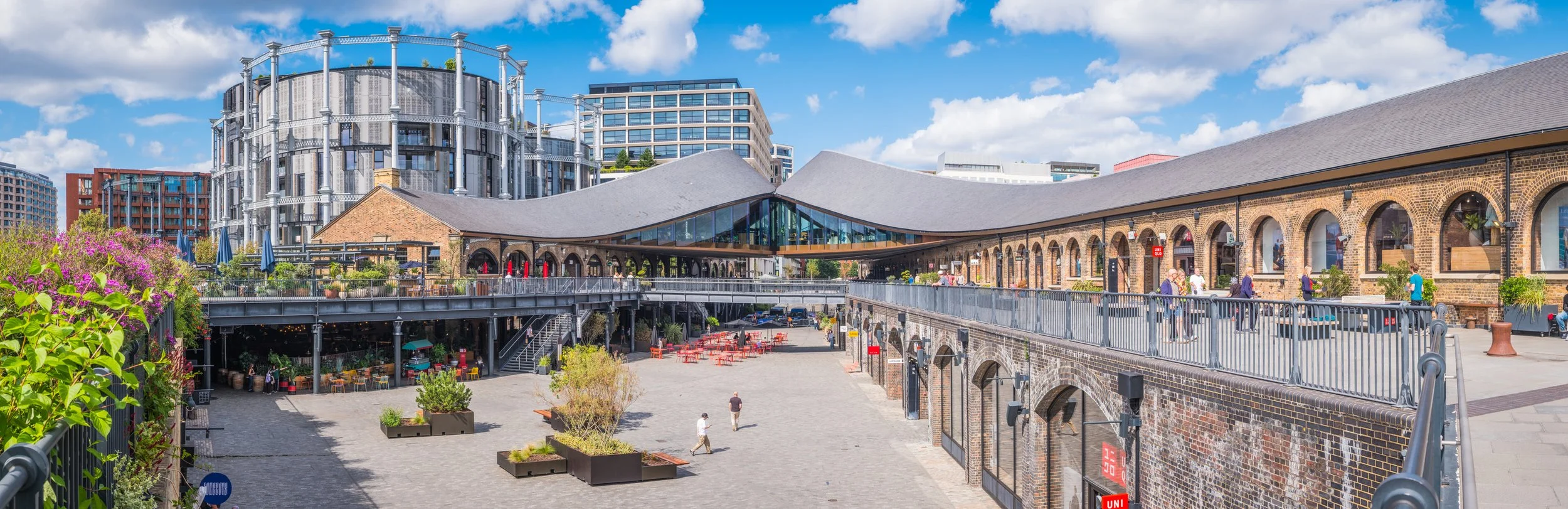
King’s Cross London, a leading international example of planned transformation, where former industrial areas have been redeveloped into a mixed-use employment precinct integrating commercial, education and public realm uses.